The Netherlands faces major challenges in agriculture, food, and nature. The sector is working on two transitions simultaneously. The sustainability transition calls for future-proof food systems, greater biodiversity, and cleaner water. The digital transition revolves around the smart use of AI. There is also a lot happening in the labor market; the sector aims to increase labor productivity and become less dependent on foreign workers.
We are in a strong position. The Dutch agricultural and horticultural sectors are European leaders in robotization, farmers have a high level of knowledge, and our country is at the forefront of connectivity.
AI in Agriculture, Food, and Nature
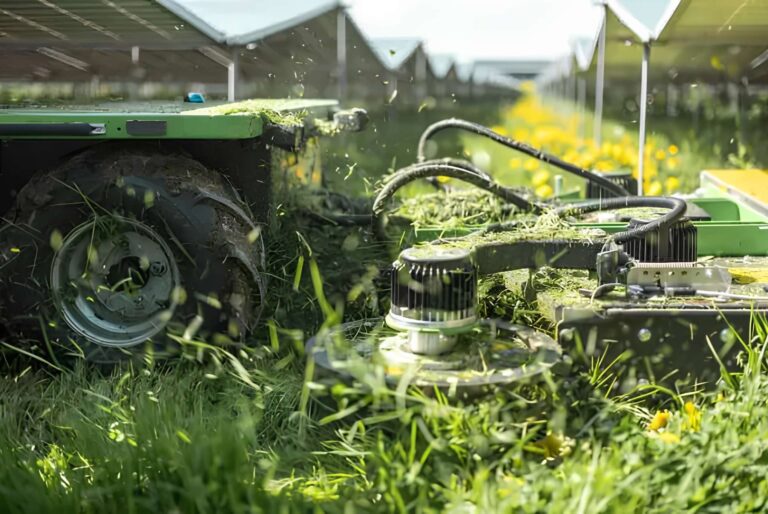
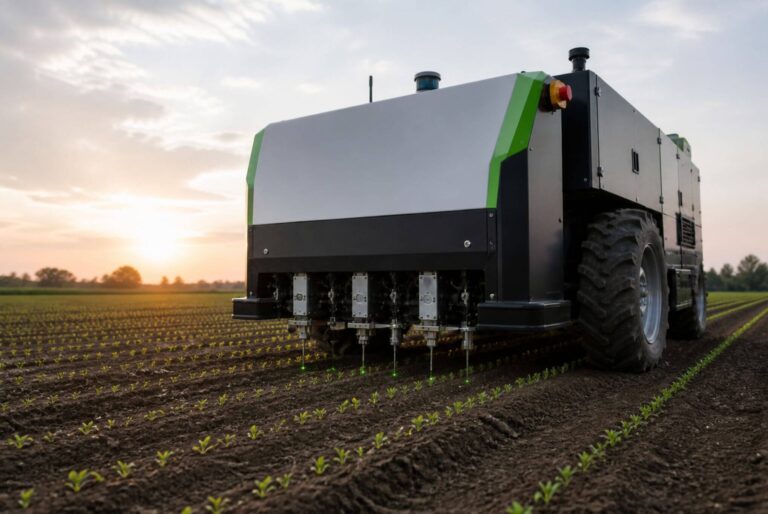
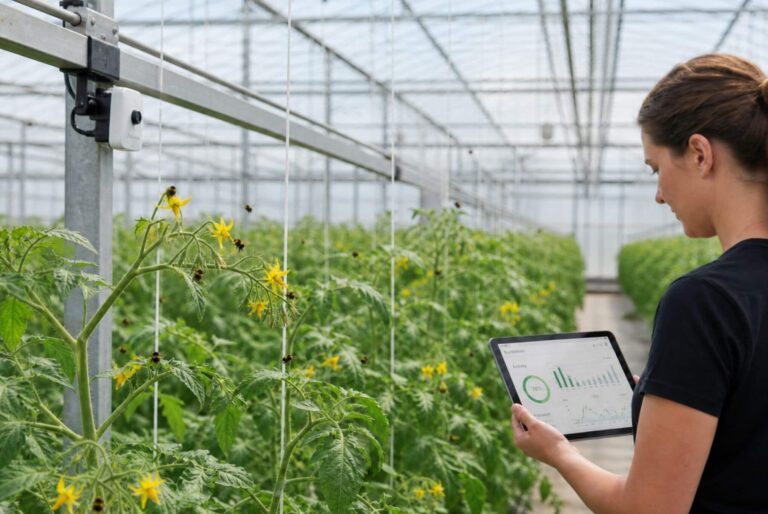
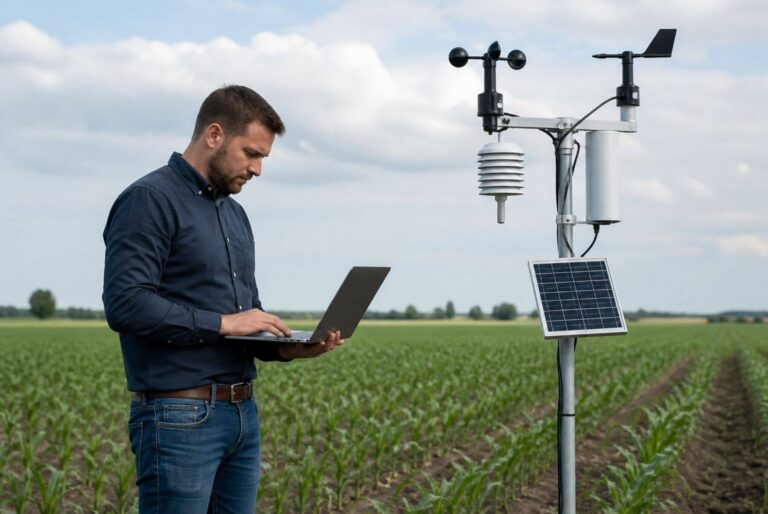
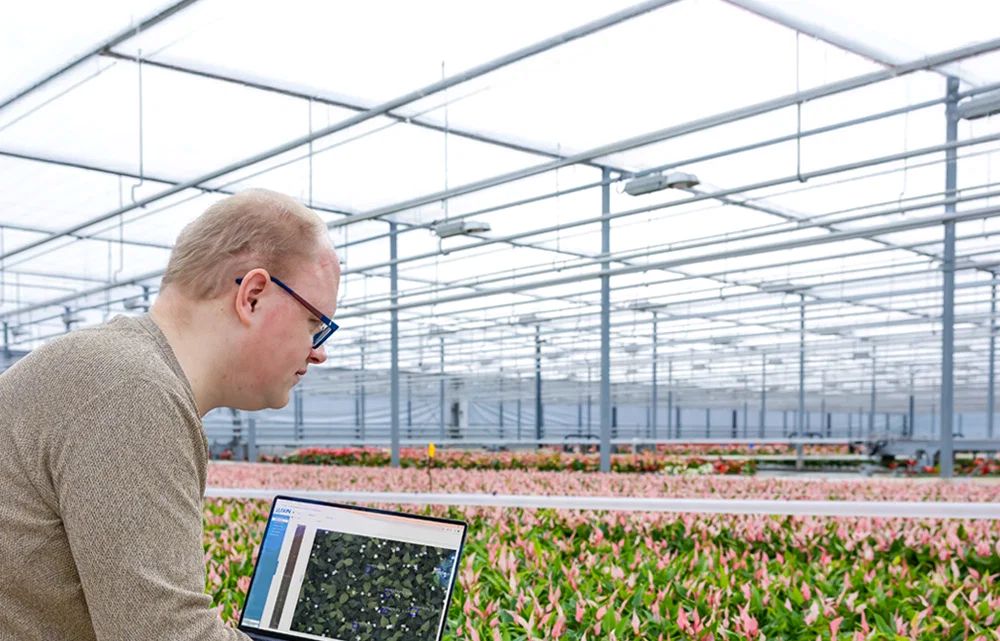
The sector is already making widespread use of AI. Examples include precision agriculture, smart greenhouses, and smart livestock barns. Other examples include robots that automate production, sensors that monitor biodiversity, and local weather forecasts. It also includes personalized nutrition and reducing waste of food, water, and energy. There are many valuable projects underway, but they still lack sufficient coherence, coordination, and scale.
Vision
The Agriculture and Food sector brings together government, research institutions, technology developers, and end users: farmers, horticulturists, and nature conservationists. We are bringing AI from the experimental stage to practical application through a coherent AI agenda for agriculture, food, and nature. Responsible use is a prerequisite for this, with a focus on privacy, security, and ownership, as well as European values such as sovereignty, fairness, and ethics.
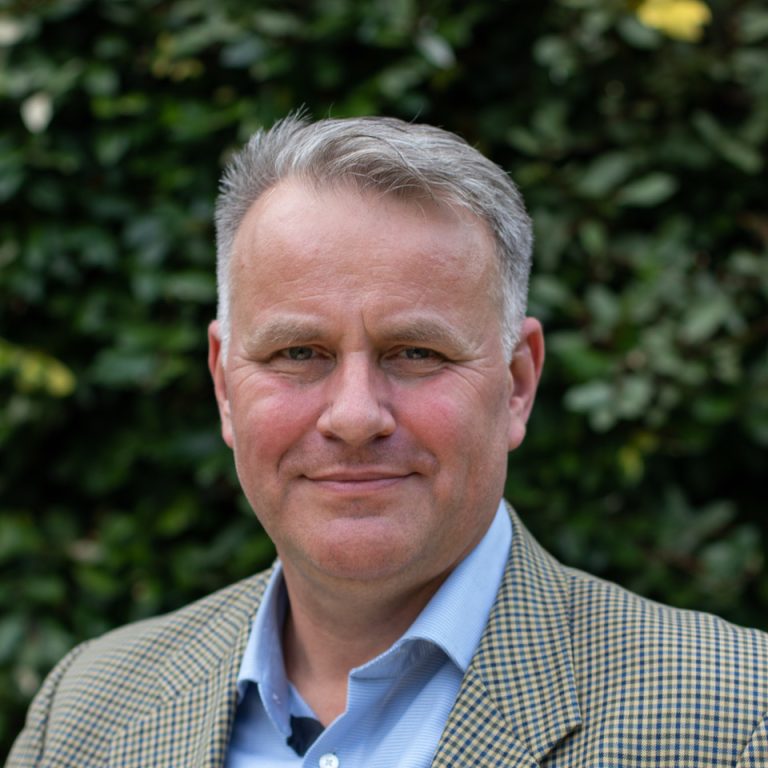
“A national agenda serves as a solid foundation—a house built on a strong foundation, with clear roles, shared goals, and a long-term commitment. Data is crucial to this. Without AI-ready data—made available in a secure, reliable, and responsible manner—AI cannot deliver on its promise.”
René Langevoort, Program Director for Agriculture and Food