Making Complex Medical Information Easy to Understand
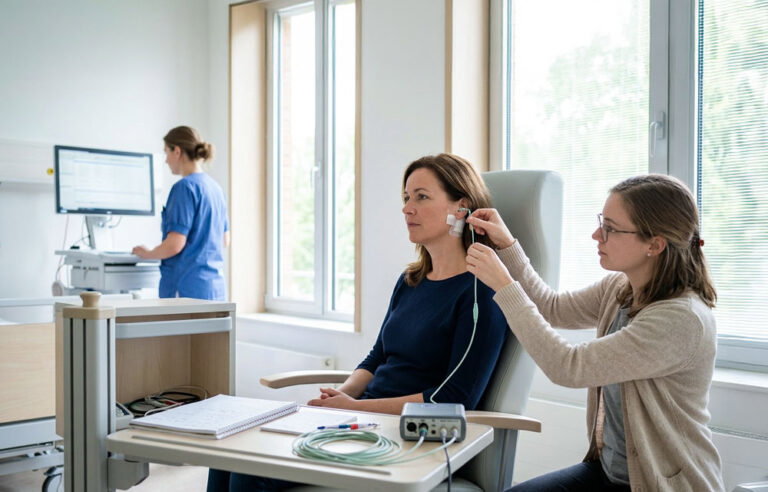
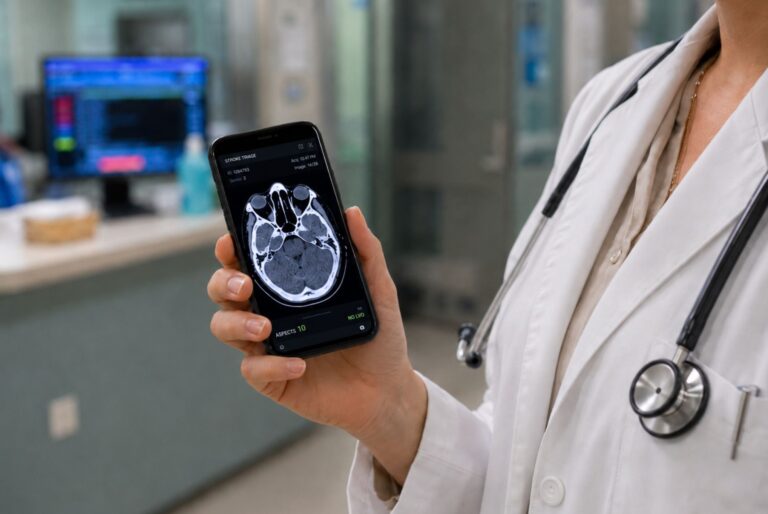
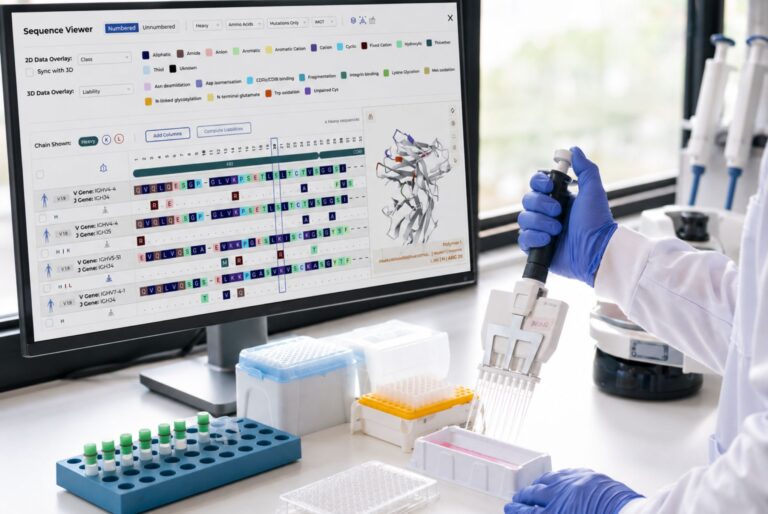
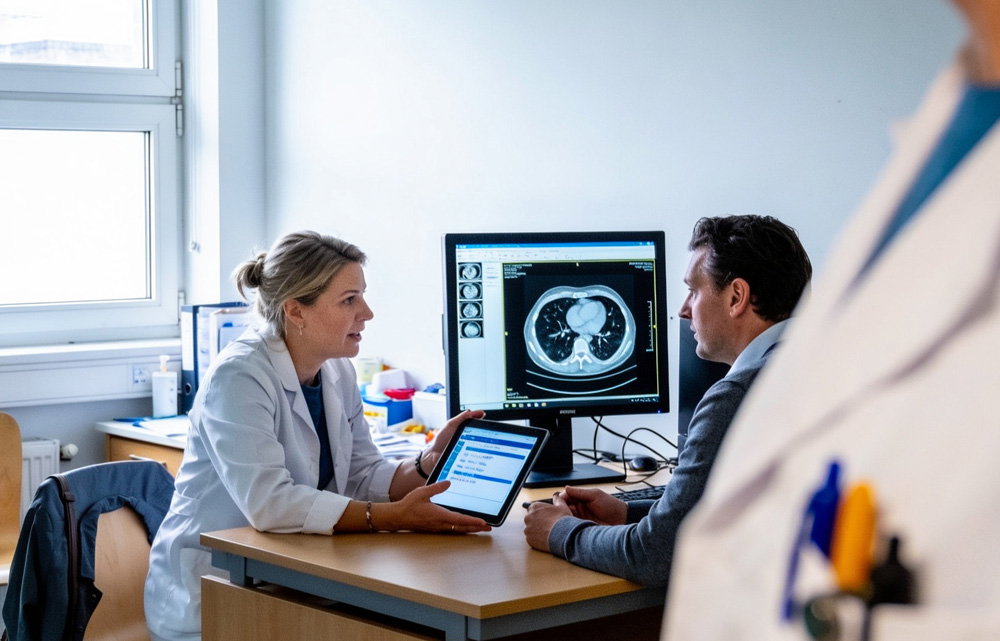
Black-and-white scans don’t mean much to patients. Even when the treating physician explains them step by step, the information is too complex for a layperson to truly understand. The PROSPER InnovationLab is developing generative AI that converts this type of difficult-to-understand information into visuals and clear explanations. This gives patients a better understanding of medical data such as CT scans, as well as DNA analyses, brain signals, and hearing tests. Secure data exchange, in compliance with GDPR regulations, is a top priority in this process.
PROSPER accelerates the implementation of AI in healthcare through generative AI for visual patient communication and secure, GDPR-compliant data exchange between hospitals. Training this AI requires large amounts of healthcare data, which is strictly protected. Therefore, a secure and privacy-preserving method of data sharing is needed. Patients retain control over their data through a dynamic consent process. They decide for themselves who uses their data and for what purpose.
About the PROSPER InnovationLab
The PROSPER InnovationLab is a consortium of 27 partners led by ENT specialist Marc van Hoof of Radboudumc. The lab is a product of the Radboudumc and Maastricht UMC+ Academic Alliance.
PROSPER is starting in the otolaryngology field and expects rapid expansion into other medical fields, ranging from neurosurgery to at-home breast cancer diagnostics. Partners include Radboudumc, Maastricht UMC+, UMCG, TNO, SURF, Enatom, WSK Medical, ScreenPoint Medical, AI-hub Oost-Nederland, AI-hub Brightlands, and Brainport.