Learning to Work with AI in Healthcare Together
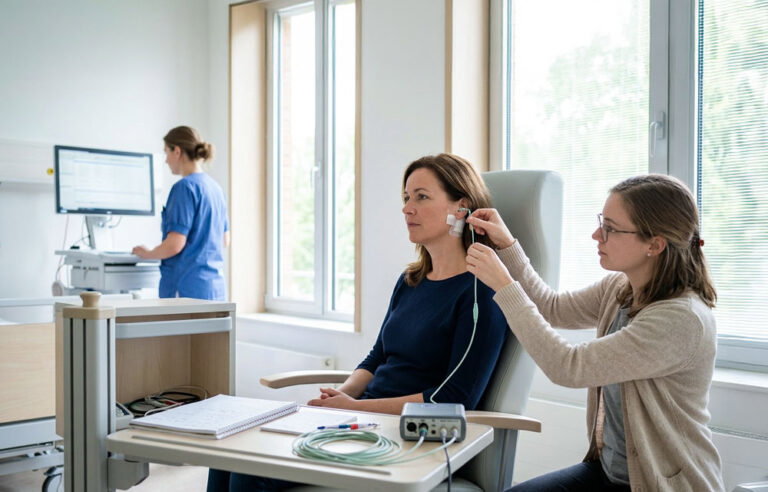
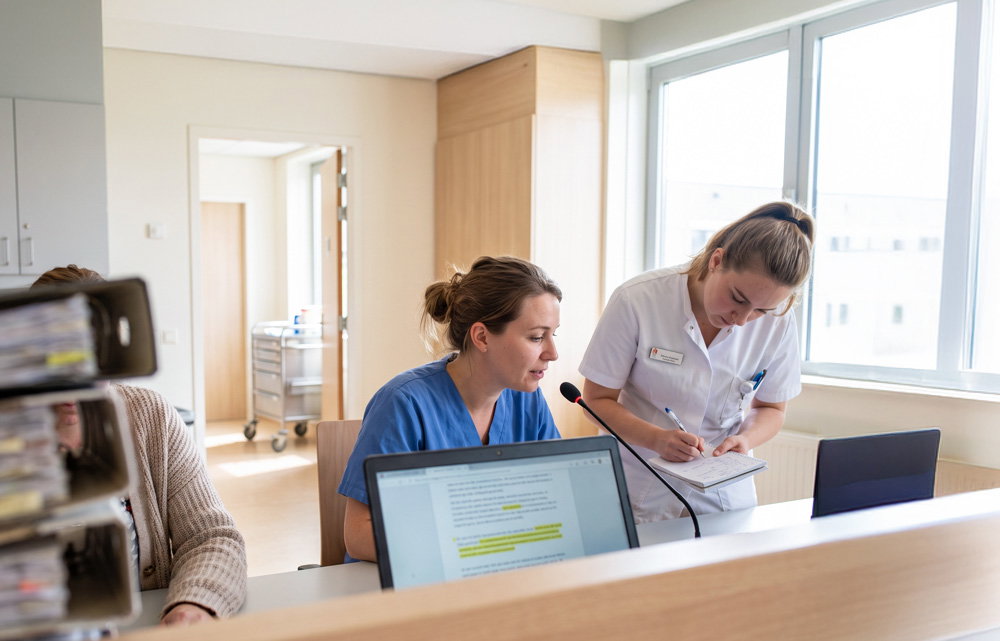
The CARAI (Care for AI Readiness Acquiring Insights) Learning Community brings together healthcare organizations, knowledge institutions, and technology partners in Limburg to apply AI in everyday healthcare practice. Healthcare professionals and students from vocational, higher vocational, and university-level programs work side by side on questions arising from their own organizations. CARAI documents what is learned in learning modules that remain available for education and continuing education.
AI in Healthcare and Social Services
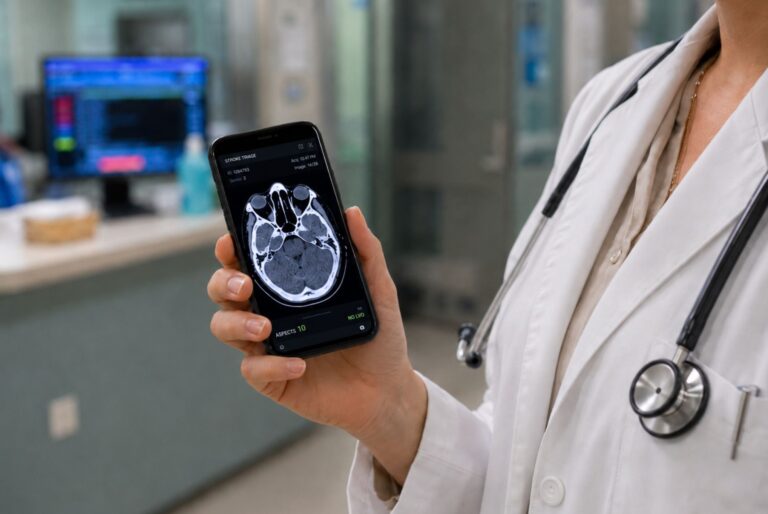
The demand for healthcare is growing, the population is aging, and there aren’t enough people to do all the work. AI helps organize healthcare more efficiently: less administrative burden thanks to speech recognition and automatic data extraction, support in developing treatment plans, and better access to data that is currently scattered across various systems. For those on the front lines, this raises practical questions. Where do you start, what can a model do and what can’t it do, and how do you deal with privacy, bias, and accountability? You answer those questions by just doing it.
About the CARAI Learning Community
CARAI is working on nine use cases over the course of three years. Each use case begins with a question raised by a healthcare organization itself and lasts six months. Healthcare professionals and students tackle it together, guided by faculty researchers from the participating academic institutions. The first use case focuses on reducing the administrative burden, while the second focuses on working with generative AI and language models in healthcare. Five learning objectives recur throughout these projects: data readiness, ethics and responsibility in accordance with the ELSA-AI principles, basic knowledge of AI, AI applications, and human-centered AI. In addition, CARAI uses a step-by-step model—from digitizing data to structurally embedding AI into work processes—so that you can join the program at your own level.
Each use case results in a blended learning module. In this way, CARAI reaches 800 healthcare workers and more than 300 students, and the region ends up with nine modules that schools incorporate into their curricula and that healthcare organizations use to train their own staff.
Zuyd University of Applied Sciences serves as the coordinating institution and Learning Community Lead, while the Open University, as Learning Lead, is responsible for the pedagogical model. Other knowledge partners include Maastricht University, VISTA College, and Gilde Opleidingen. Healthcare partners include Zuyderland, VieCuri, Maastro, Meditta, Adelante, De Zorggroep, Proteion, and Welzijnsgroep Parkstad Limburg. Technology and network partners include Kembit, ORGfit, Brightlands Smart Services Campus, LIME, and EIZT. During the project, organizations can join a use case that aligns with their expertise or specific challenge.