Using AI for responsible mobility planning in livable cities
As urbanization increases, so do mobility and logistics; however, available space is limited. Municipalities are working to develop sustainable mobility systems, maintain infrastructure, and create livable cities. In designing these complex systems, stakeholders with sometimes conflicting interests work together, and this can lead to socially unjust outcomes.
The role of AI in mobility planning and urban design
AI can support policymakers and urban planners in designing mobility systems in complex urban environments. Digital twins generate and explore design options on their own, whereas existing tools primarily analyze the effects of off-the-shelf plans. This allows planners to explore more alternatives and enables stakeholders to make informed decisions.
The use of AI also carries risks. Biases in data and models can lead to unequal access to mobility services, and decisions regarding traffic management and urban planning can unintentionally reinforce existing inequalities. These risks require careful study before municipalities deploy such systems on a large scale.
About the ELSA Lab Mobility DesAIgn
The ELSA Lab Mobility DesAIgn investigates the ethical, legal, and societal implications of AI-powered digital twins for urban mobility and spatial design. The lab develops knowledge and methods to apply AI responsibly and with broad societal support, so that stakeholders can gain insight into how data, models, and algorithms influence mobility policy.
In the lab, digital twins are tools that enable stakeholders to collaboratively explore and optimize designs based on their preferences and constraints. This human-centered approach gives the technology a supporting role; the collaborative design process takes precedence.
Guiding responsible AI in mobility planning
The lab focuses on three related use cases: sustainable mobility, car-restrictive measures, and future traffic management with connected and autonomous vehicles. Within these use cases, the lab is working on, among other things:
- Ethical and social objectives for design and evaluation methods
- Transparent and robust AI recommendation systems without hidden assumptions.
- Legal and ethical frameworks in line with the AI Regulation and future regulations.
- Practical methodologies for collaborative experimentation with AI-supported policy decisions.
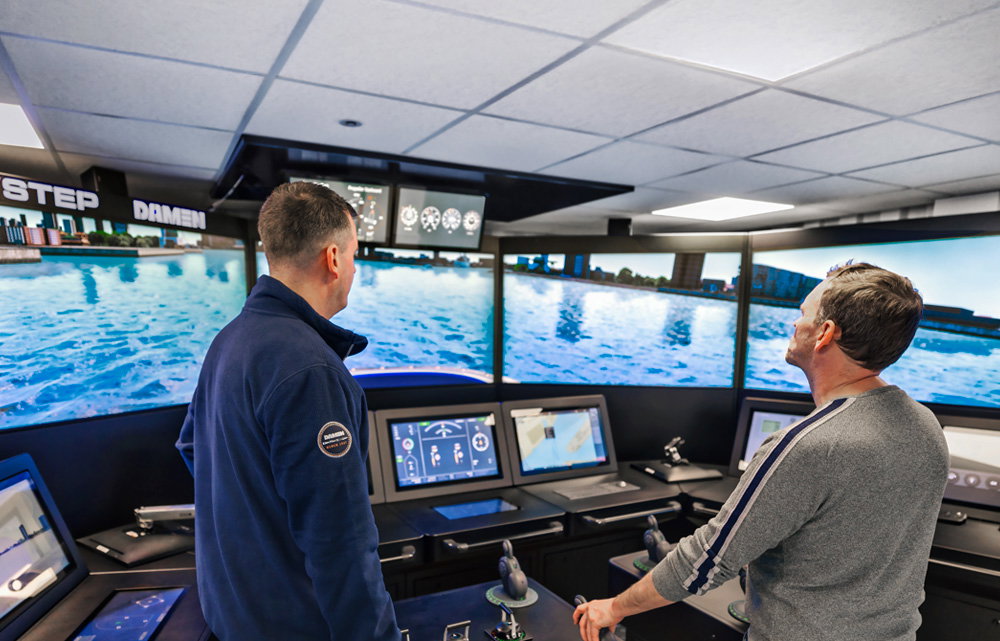
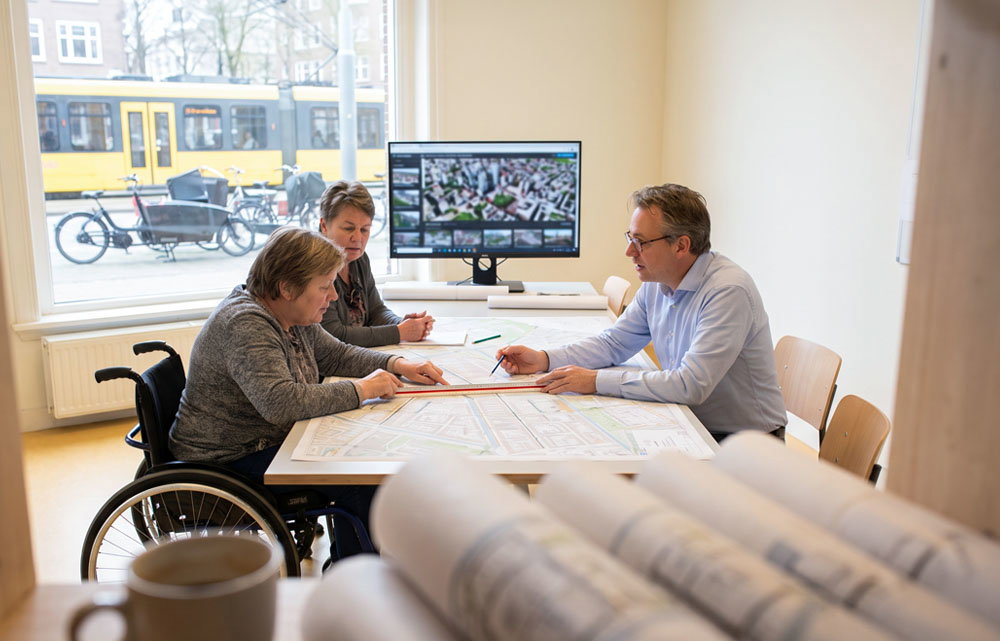
- Design sessions in which stakeholders jointly explore the effects of mobility choices.
This multidisciplinary research is linked to practical settings in Amsterdam and South Holland, allowing insights to be developed and shared iteratively.
Collaboration partners
Research organizations, companies, government agencies, and networks collaborate within the lab, including TNO, TU Delft, Leiden University, BAM, Goudappel, the Amsterdam Transport Region, and various innovation partners.
Want to know more or collaborate?
Are you interested in the ELSA Lab Mobility DesAIgn? Or would you like to participate in the design sessions or collaborative activities as a researcher, company, or government agency? Please contact us via theTNO website. Here you will find all the opportunities for collaboration and knowledge sharing.