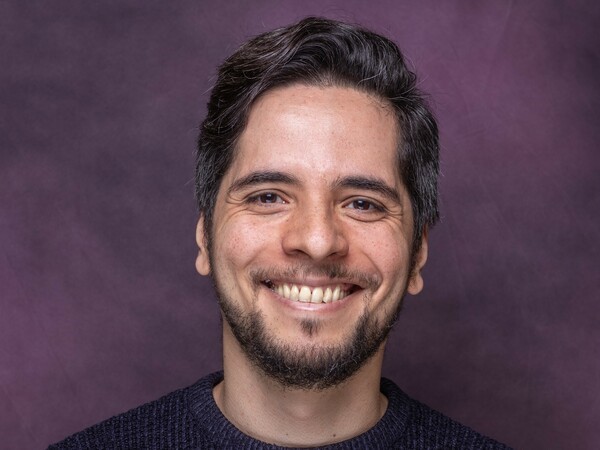
AI can make healthcare smarter and safer, but 80% of patient data is stored unstructured. With support from the AiNed Fellowship Grants, Iacer Calixto is developing the CaRe-NLP project at Amsterdam UMC, which uses AI methods and language technology to transform this data into useful information. The goal? Better treatment decisions, while maintaining privacy, legal certainty and social acceptance.
Unstructured data as bottleneck
The majority of medical data is in free texts from general practitioners, specialists and pharmacists. This information is necessary to provide good care, but difficult to process by AI algorithms.
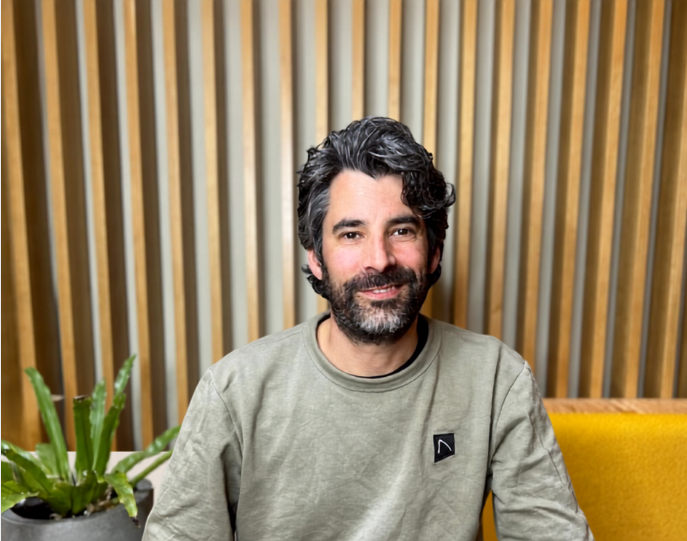
An expert in NLP and machine learning, Calixto became fascinated with this challenge at an early age. After international work experience in Brazil, England, France, Ireland and New York, he started at Amsterdam UMC in February 2022. Since April 2024, he has been working there within the research project CaRe-NLP on AI solutions that automatically analyze, structure and translate medical texts into directly applicable healthcare information.
CaRe-NLP: AI for medical texts
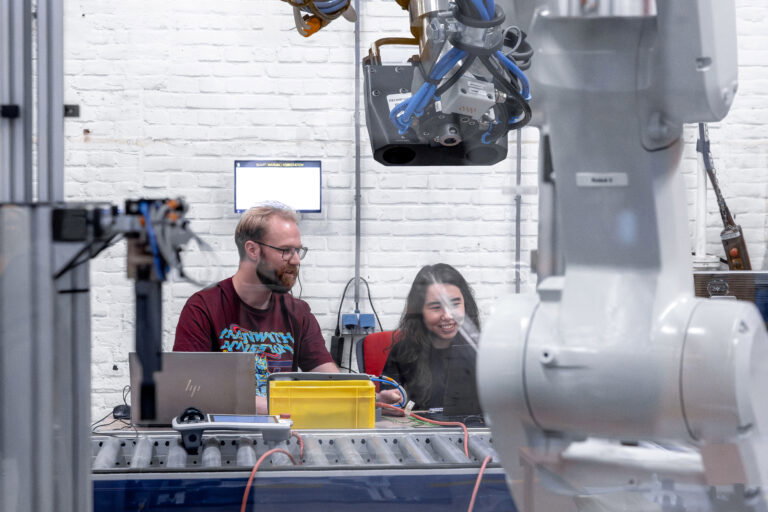
CaRe-NLP develops AI methods that process medical texts humanely and responsibly. The team includes a postdoc, five PhD students and a network of medical specialists, lawyers, linguists and AI experts. And that collaboration is important, Calixto explains:
"It is nice to work with people from different fields. Through this intensive collaboration, we are becoming increasingly aware of the challenges we need to solve first before AI applications can really be used safely and responsibly in medical practice."
From research to toolbox
The project focuses not on one standard AI solution, but on a toolbox for customized applications. "At the end of this research, we want to have a toolbox that helps researchers develop responsible AI solutions within their healthcare context," Calixto said.
This project stands out for its combination of in-depth research, practical applications and attention to social and legal preconditions, exactly what the Fellowship Grants are for. And that in a sector that affects us all: healthcare.
About Fellowship Grants
The AiNed Fellowship grants offer Dutch academic research organizations the opportunity to strategically invest in AI talent. With this support, universities and research institutes can attract or retain top researchers for (tenure track) positions, thus strengthening the national AI ecosystem. Want to learn more about current Fellowship Grants? Read more here: Overview of Fellowship Grants