Preventing and reducing poverty and debt with AI
More than a million people in the Netherlands live below the low-income threshold, including hundreds of thousands of children. Poverty and problematic debt are persistent social problems that have a major impact on people's daily lives. The lab is aligned with Sustainable Development Goal #1: "End poverty in all its forms everywhere." Poverty and debt increase inequality and limit opportunities for children and adults.
The role of AI in reducing poverty and debt
Data science and AI can help prevent financial problems and support people in reducing their debts. For example, AI systems can recognize patterns that indicate risks or advise citizens about their financial situation. Policymakers can use data to develop better policies from a citizen's perspective. At the same time, there is often mistrust of digital and data-driven solutions in this sensitive area.
The ELSA Lab Poverty and Debt therefore focuses on the ethical, legal, and social aspects of AI (ELSA) in tackling poverty and debt. The lab aims to break through the barrier of technology being deployed without trust by involving citizens, policymakers, and implementing organizations from the outset.
About the ELSA Lab Poverty and Debt
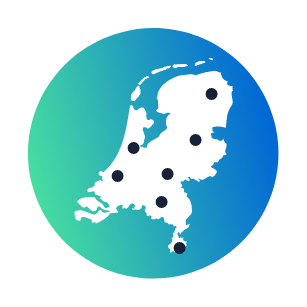
The ELSA Lab Poverty and Debt uses data science and AI to tackle poverty and debt, always with an eye for ethical, legal, and social values. From a testing ground in South Limburg and with satellite projects elsewhere in the Netherlands, the lab works on solutions that support citizens and strengthen policy. The ultimate goal: to reduce and prevent poverty and debt with AI solutions that are socially responsible and widely trusted.
The initiators want to show that technology, if developed carefully, can contribute to greater financial health and fairness. This is a step toward a society in which everyone has more control over their future.
Guiding responsible AI against poverty and debt
The lab develops data-driven innovations that have a preventive and supportive effect. Knowledge institutions, companies, and public organizations work together in a broad network. This means, among other things, that the lab is working on:
- ELSA analyses with substantiated answers to policy and practical questions.
- Frameworks for citizen participation and responsible data sharing between organizations.
- Innovations that provide citizens with tailored advice and give them control over their financial situation.
- Tools that help policymakers and administrators develop better policies from a citizen's perspective.
- Research projects ranging from fundamental knowledge to implemented solutions.
- Proposals for legislative changes to improve customization and feasibility.
Collaboration partners
The consortium consists of a broad network of knowledge institutions, companies, and public organizations, including: Maastricht University, Open University, Zuyd University of Applied Sciences, TNO, APG, Accenture, Ministry of the Interior and Kingdom Relations, Tax and Customs Administration, DUO, CBS, National Police, Municipality of Heerlen / Parkstad, and Kredietbank Limburg.
In addition, many social partners are affiliated, such as NIBUD, Schuldenlab, NVB, Wijzer in Geldzaken, and Women Inc. The lab is coordinated from the Brightlands Smart Services Campus in Heerlen and is part of the AI Hub Brightlands of the Dutch AI Coalition.
Want to know more or collaborate?
You can find all the information you need on the project website, where you will also have the opportunity to get in touch.